

Worried about your upcoming root canal? You’re definitely not the only one. A lot of people feel nervous before it. Some even feel quite scared. Most of this fear comes from confusion. People simply don’t know what happens. They imagine pain and discomfort. They think it will be complicated.
But that’s not how it is today. Dentistry has improved a lot now. Modern Root Canal Treatment is a simple procedure. They are safe and quite comfortable.
The main goal is very clear. It removes infection from inside. It also helps stop the pain. And most importantly, saves your tooth.
So instead of feeling worried, it helps to see it differently. Think of it as a solution. A way to fix the problem.
At Pune Dentistry, this is routine work. Specialists handle these cases every day. They use updated tools and methods. This makes the whole process easier. Most patients feel calm during treatment. Comfort is always taken seriously here.
This guide will explain everything clearly. You’ll understand each step properly. From start to finish, it’s all covered.
What Is Root Canal Treatment?
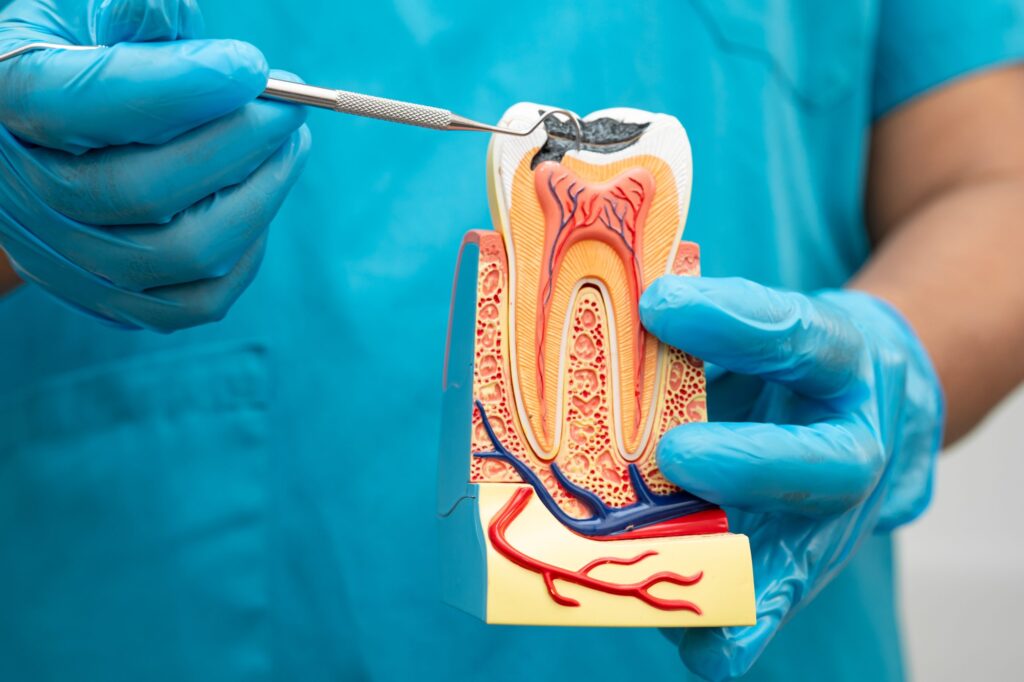
A root canal is a dental treatment. It is used to treat infection inside a tooth. Inside every tooth, there is soft tissue. This is called pulp.
The pulp contains important parts. It has nerves and blood vessels. It also has connective tissue. When bacteria reach this area, infection begins to develop.
This can happen for many reasons. Deep cavities are one common cause. Cracks in the tooth can also allow bacteria. Repeated dental work may also affect the pulp.
Once infected, the pulp becomes painful. Swelling and discomfort may also start. If ignored, the infection spreads further. It can affect nearby teeth and gums. In some cases, it can reach the bone.
A root canal removes this infection. The damaged pulp is taken out carefully. Then the inner part is cleaned well.
After cleaning, the tooth is sealed. This prevents future infection. The biggest benefit is this. Your natural tooth stays safe.
Who Needs a Root Canal?
Not every tooth problem needs this treatment. But some clear signs should not be ignored.
A dentist will recommend a root canal when the pulp is badly infected.
Here are common warning signs:
- severe pain while chewing food
- Pain when pressure is applied
- Sensitivity to hot or cold items
- Pain that continues for a long time
- Tooth changing colour slowly
- Swelling near the affected tooth
- Tender or painful gums
- Small bump or pus near the gums
- Cracked or broken tooth
These signs usually mean trouble inside. The infection may already be spreading. Many people ignore early symptoms. They hope the pain will go away. But this can make things worse.
Early treatment is always better. It reduces pain and saves time. It also prevents bigger problems later. If you notice any of these signs, do not delay your visit.
Visit Pune Dentistry as soon as possible. Early care makes the process easier. It also improves long-term results.
Root Canal Treatment Procedure: Step by Step
A root canal is done in stages. It usually takes one or two visits. Each visit lasts about an hour. The exact time depends on the tooth. Simple cases finish faster. Complex cases may need more care.
Here is what happens step by step.
Step 1: Diagnosis and X-Ray
The process starts with a check-up. The dentist looks at your tooth closely. They may tap the tooth lightly. This helps locate the pain area.
Then a digital X-ray is taken. This gives a clear inside view.
The X-ray shows important details. It shows the canal shape and length. It shows how deep the infection is. It shows if the bone is affected.
This step helps with proper planning. The dentist knows what to expect.
At Pune Dentistry, digital tools are used. Images are clear and accurate. This avoids guesswork during treatment.
What you feel:
- No pain at this stage.
- It is just a simple check.
Step 2: Local Anaesthesia
Before starting, the area is numbed. A gel is applied to the gum. This reduces injection discomfort.
Then a small injection is given. It is placed near the tooth. Within minutes, the area becomes numb. Your tooth feels completely asleep.
The gum and jaw also feel numb. You stay awake the whole time.
What you feel:
- A quick pinch at first.
- After that, no pain at all.
- Only slight pressure may be felt.
Important truth:
- Root canals do not cause pain.
- They actually remove the pain source.
Step 3: Dental Dam Placement
Next, the dentist places a dental dam. It is a small rubber sheet. It covers the area around your tooth.
This keeps the tooth isolated. It also keeps the area clean.
The dental dam has many benefits.
- It blocks saliva during treatment.
- It keeps bacteria away from the tooth.
- It prevents liquids from entering your mouth.
This step keeps everything safe.
What you feel:
- You may feel a light frame.
- Nothing uncomfortable or painful.
Step 4: Access Opening
Now the dentist reaches the inside. A small opening is made in the tooth. A dental drill is used for this. It creates a tiny access point. This opening leads to the pulp. The infected area is now reachable.
This step allows further cleaning.
What you feel:
- You may feel vibration here.
- Some pressure may also be felt.
- But there is no pain at all.
The numbness keeps you comfortable.
Step 5: Pulp Removal and Cleaning
This is the main treatment step. The infected pulp is removed. Small tools called files are used. They are very thin and flexible. The dentist works inside the canals.
Three main things are done here:
- First, infected pulp is removed.
- Second, canals are shaped properly.
- Third, canals are cleaned deeply.
This ensures no infection remains. The dentist also measures canal length. A device called Apex Locator helps.
This ensures full cleaning to the root end. It also prevents over-cleaning. This step takes some time. Usually around 30 to 60 minutes.
It depends on the canal number. Molars usually have more canals.
What you feel:
- You may feel some movement.
- There may be slight pressure inside.
- But still, no pain is felt.
Step 6: Canal Drying and Disinfection
Once cleaning is done, drying begins. The canals must be completely dry. Small paper points are used here. They absorb all moisture inside. Clean and dry canals are important. They help in proper sealing later.
In some cases, infection is severe. Extra care is needed in such cases. The dentist may place medicine inside. This helps reduce infection fully.
A temporary filling is placed then. You may be asked to return later, usually after a few days.
What you feel:
- This step is quick and easy.
- There is almost no sensation here.
Step 7: Canal Filling (Obturation)
Now the tooth is ready for sealing. This step is called obturation. A special material is used inside. It is called gutta-percha.
It is soft and rubber-like. This material fills the canals fully. It fits the shape perfectly.
A sealing paste is also used. This ensures no gaps remain inside.
The aim is simple. Block any future bacterial entry. The top opening is also closed. A temporary or permanent filling is used. This protects the tooth internally.
What you feel:
- You may feel slight pressure here.
- But again, no pain at all.
Step 8: Crown Placement (Final Step)
After a root canal, the tooth weakens. It no longer has internal support. So protection is very important. This is where a crown is used.
A crown is like a cap. It covers the whole tooth. It restores full strength. It also improves appearance. The crown looks natural in colour. It blends with your other teeth.
At Pune Dentistry, custom crowns are made. They fit perfectly on your tooth.
This step is usually done later. Mostly after one or two weeks. During this visit, the tooth is shaped. Then impressions are taken. The final crown is placed after that. With proper care, crowns last long. Many last more than 10 years.
What you feel:
- The process is simple and smooth.
- There may be slight pressure only.
How Long Does a Root Canal Take?
| Tooth Type | Number of Canals | Approximate Duration |
| Front tooth (incisor/canine) | 1 | 60 – 75 minutes |
| Premolar | 1–2 | 60 – 90 minutes |
| Molar | 3–4 | 90 – 120 minutes |
Complex cases or severely curved canals may require additional time or an extra visit.
Root Canal Aftercare: What to Do After the Procedure
After your root canal is done, your mouth will feel numb for some time. During this time, be a little careful. Avoid biting your lips or cheeks. Once the numbness goes away, you may feel slight discomfort.
This is completely normal. Your body is starting to heal. You may notice mild pain or soreness. Some sensitivity is also common.
This usually lasts for a few days. Most people feel better within 2 to 5 days. There is nothing to worry about. The pain is not like before. It is much lighter and more manageable.
Your dentist may suggest medicines. These help reduce pain and swelling.
What You Should Do After a Root Canal
Taking proper care is very important. It helps your tooth heal faster.
Here are simple things you should follow:
- Take your medicines on time
- Follow the dosage given by your dentist
- Eat soft and easy foods initially
- Give your tooth some rest
Soft foods are a good choice. You can have khichdi, curd, or soup. Avoid anything too hot or spicy.
Try not to chew on that side. Let the treated tooth stay undisturbed.
This is important until your crown is placed. Oral hygiene should not be ignored.
Brush your teeth gently every day. Floss carefully without pressure.
Keeping your mouth clean helps healing. Also, do not skip your next visit. The follow-up appointment is important.
Your dentist will check the healing progress. They will also place your crown.
What You Should Avoid After a Root Canal
Some habits can slow down healing. It is better to avoid them.
- Do not eat hard or crunchy foods. Items like nuts or chips can harm.
- Sticky foods should also be avoided. They can pull or damage the filling.
- Do not chew on the treated side. It can put pressure on the tooth.
- Smoking is also not recommended. It delays healing inside the body. It may also increase infection risk.
- Another common mistake is skipping visits. Many people delay crown placement.
This can weaken the treated tooth.
Without a crown, it may crack easily.
So always complete the full treatment.
When Should You Contact the Dentist?
Most people recover without any issues. But sometimes extra care is needed.
Contact Pune Dentistry immediately if:
- Pain becomes strong or unbearable
- Swelling increases around the tooth
- You notice pus or unusual discharge
- Fever develops after treatment
- The tooth feels very uncomfortable
These signs may need quick attention. Early help can prevent bigger problems.
A root canal solves the main problem. Aftercare helps protect the result. If you follow simple instructions, your recovery will be smooth and quick. Take care for a few days. And your tooth will stay healthy for years.
Root Canal vs Tooth Extraction: Why Save the Tooth?
Many patients ask whether removing the tooth entirely is a simpler solution. Saving your natural tooth is almost always the better choice. Here is why:
| Root Canal + Crown | Tooth Extraction | |
| Preserves natural tooth | Yes | No |
| Maintains jawbone | Yes | No bone loss begins |
| Chewing function | Fully restored | Replaced by an implant or a bridge |
| Cost (long-term) | Lower | Higher — replacement adds up |
| Recovery time | Short | Longer |
Replacing a missing tooth with a dental implant or bridge is more expensive and time-consuming than saving the original tooth through a root canal. At Pune Dentistry, we always recommend preserving your natural smile wherever possible.
Why Choose Pune Dentistry for Root Canal Treatment?
Choosing the right dental clinic matters. It affects your comfort and results. Pune Dentistry is a trusted name. Many patients rely on their care.
The clinic is located in Hadapsar. It is easy to reach and accessible. The team focuses on patient comfort. They understand your fear and concern. Every treatment is done with care. The goal is simple and clear. Make your experience smooth and easy.
Experienced Specialists
The clinic has skilled endodontists. They perform root canals every day. Experience makes a big difference here. It helps in handling every case better.
Simple or complex, all cases are managed. You are always in safe hands.
Advanced Technology Used
Modern tools improve treatment quality. They also reduce time and discomfort. Digital X-rays give clear images. They help in accurate diagnosis.
Apex locator helps measure root length. This ensures proper cleaning inside. Rotary instruments are also used. They can clean canals faster and better.
All this makes the process smooth. It also reduces the chances of error.
Personalised Care for Every Patient
Every patient is different. Every case needs a different approach. The team listens to your concerns. They explain each step clearly. Your comfort is always a priority. Treatment is planned as per your needs. This makes patients feel relaxed.
It also builds trust and confidence.
Strict Hygiene and Safety Standards
Cleanliness is very important in dentistry. It prevents infections and complications. At Pune Dentistry, hygiene is taken seriously. All tools are properly sterilised.
Equipment is cleaned after every use. The clinic follows strict safety rules. Every surface is disinfected regularly. This ensures a safe environment always.
Convenient Location
The clinic is easy to find. It is located in a well-known area.
Address:
D/20, Satyalok Apartments
Opposite Hadapsar Police Station
Gadital, Hadapsar, Pune
You can reach without confusion.
This makes visits stress-free.
Trusted by Many Happy Patients
Patient feedback speaks a lot. It shows real experience and trust. Pune Dentistry has strong ratings online. Many patients rate it highly.
They appreciate both care and results. They also mention comfort during treatment. Good reviews build confidence. They help new patients feel assured.
A root canal needs proper care. The right clinic makes it easier. Pune Dentistry focuses on comfort. It also focuses on long-term results.
From start to finish, care is given. You are guided at every step. So you can relax and trust the process.
Frequently Asked Questions
- Is root canal treatment painful?
No, it is not painful. Modern treatment is very comfortable. The dentist uses proper anaesthesia. This numbs the entire area fully. You may feel slight pressure only. But there is no actual pain. Most patients feel relaxed during treatment. Many say it feels like a filling. The real pain comes before treatment. The root canal actually removes it.
- How many sittings does a root canal need?
It depends on the tooth condition. Some cases are simple and quick. Front teeth often need one visit. They have fewer canals inside.
Molars are more complex sometimes. They may need two appointments. Severe infections also take time. The dentist may plan extra care. At Pune Dentistry, most cases finish within one or two visits.
- What if I delay the treatment?
Delaying treatment can cause problems. The infection will not stop on its own. It can spread deeper inside. It may affect nearby teeth too. The bone around the tooth weakens. Pain may increase over time.
In some cases, the tooth is lost. This makes treatment more difficult later. Early treatment is always better. It saves time, money, and discomfort.
- Can I go home alone after treatment?
Yes, you can go home easily. There is no need for support. Only local anaesthesia is used. You stay awake and aware. There is no sedation involved.
You can drive your vehicle safely. You can also return to work. Just avoid chewing immediately. Wait until the numbness goes away.
- How long does a root canal last?
A root canal can last many years. In many cases, it lasts a lifetime. Proper care is very important here. Oral hygiene plays a big role.
Brushing and flossing should continue daily. Regular dental visits also help. A crown protects the treated tooth. It prevents damage or fracture later. With good care, the tooth stays strong.
- Is a crown always required?
In most cases, yes. Especially for back teeth.
Molars and premolars take pressure. They need extra protection after treatment. mA crown gives that strength. It prevents cracking or breaking. Front teeth may not always need crowns. It depends on how much structure remains. Your dentist will guide you properly.
Book Your Root Canal Consultation at Pune Dentistry
A root canal is nothing to fear. It is a solution to your pain. It helps save your natural tooth. It also prevents bigger problems later.
The sooner you get treatment, the better. Early care makes things easier.
At Pune Dentistry, the process is simple. Everything is explained clearly to you. The team focuses on comfort and care. They guide you at every step.
From your first visit to the final crown, the experience stays smooth and easy. If you have pain or doubt, act now. Do not wait for it to get worse. Book your consultation today. And take the first step toward relief.
Address: D/20, Satyalok Apartments, Opposite Hadapsar Police Station, Gadital, Hadapsar, Pune
Call or WhatsApp: +91 98817 59957
Email: punedentistry@gmail.com